Agentic AI: The New Frontier
Artificial intelligence is entering uncharted territory with the emergence of agentic AI, a new breed of autonomous systems that can perceive, decide, act, and learn without constant human oversight. This seismic shift is forcing a fundamental rethink of network infrastructure architecture, particularly at the edge. As AI creators and builders, it's crucial to understand the implications of this revolution and how to harness its power.
The Edge-Centric Paradigm
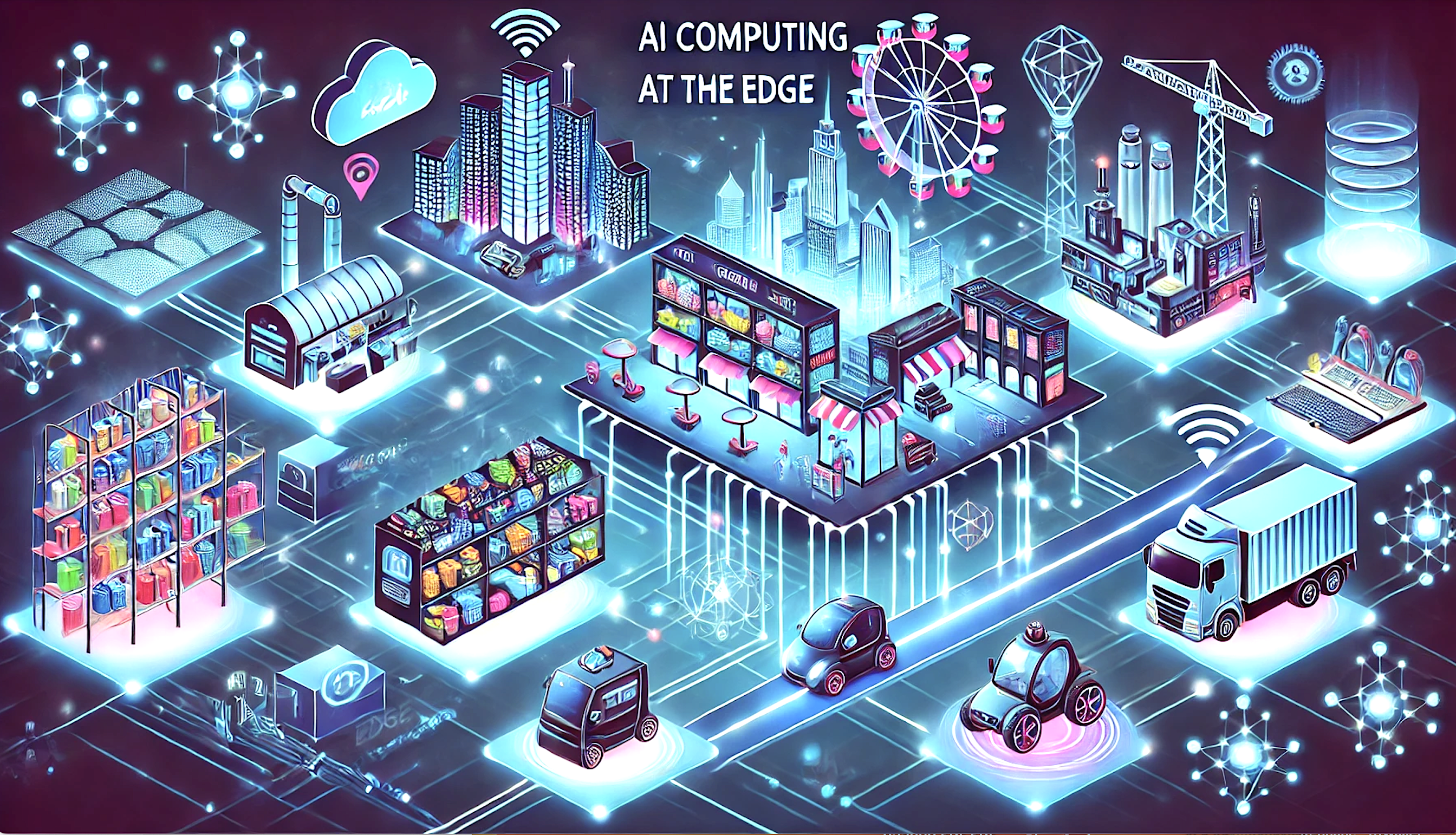
Traditional AI models, with their centralized training clusters and cloud-based inference, are no longer sufficient for agentic systems that operate in distributed environments. These agents require real-time synchronization, shared insights, and coordinated actions, making WAN performance, availability, and adaptability critical to their effectiveness. Consider an autonomous vehicle navigation system or a smart city deployment with thousands of agents managing traffic flow, energy distribution, and public safety simultaneously – the need for edge-centric intelligence is clear.
The real signal here is that agentic AI systems demand a decentralized approach, where agents can process information, evaluate options, and act locally, without relying on centralized systems. This is a game-changer for creators and builders, as it enables the development of more resilient, adaptable, and autonomous AI applications. The guerrilla take is that this shift will empower a new wave of innovators to build AI-powered solutions that can thrive in the wild, without being tethered to centralized infrastructure.
Guerrilla Tactics for Agentic AI
So, what does this mean for AI creators and builders? Firstly, it's essential to focus on developing edge-centric architectures that can support the deployment of autonomous agents. This requires a deep understanding of distributed systems, real-time processing, and adaptive networking. Secondly, builders must prioritize WAN performance, availability, and adaptability to ensure seamless synchronization and coordination between agents. Lastly, the emphasis on local processing and decision-making means that creators must develop AI models that can operate effectively in environments with limited connectivity and resources.
For those willing to take the leap, the potential rewards are significant. Agentic AI has the potential to unlock new applications and use cases, from autonomous vehicles to smart cities, and beyond. As the original article highlights, the shift to agentic AI is a fundamental rethink of how we approach AI and network infrastructure. It's time for creators and builders to join the revolution and start building for the edge.
Source: SiliconANGLE AI
Get AI battle strategies in your inbox
Join 236+ guerrillas getting weekly intel that actually makes money.
Subscribe Free